

Hey there! As a supplier of Wood Gate Locks, I get asked all the time about the age-old question: "Which is better for a wood gate, a mortise lock or a rim lock?" Well, let's dive right into it and break down the pros and cons of each to help you make an informed decision.

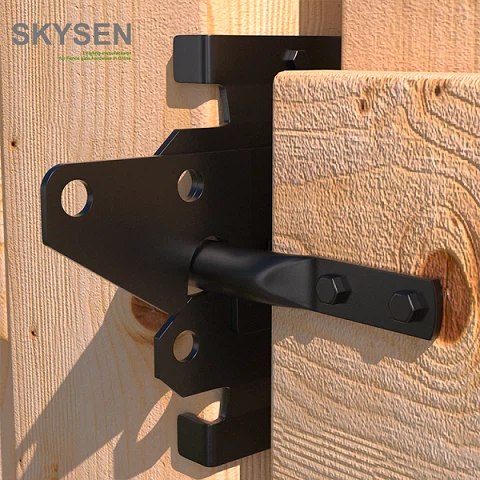
Mortise Locks: The Hidden Gem
Mortise locks are like the undercover agents of the lock world. They're installed inside a pocket, or mortise, that's cut into the edge of the door or gate. This hidden installation gives them a sleek and seamless look that blends right in with the wood, making them a popular choice for those who want a more aesthetically pleasing option.
One of the biggest advantages of mortise locks is their strength and durability. Because they're installed inside the gate, they're less exposed to the elements and physical damage. This means they're less likely to rust, corrode, or break over time, making them a great long-term investment.
Another benefit of mortise locks is their security. The way they're installed makes them more resistant to forced entry, as there's no visible hardware on the outside of the gate that can be easily tampered with. This makes them a popular choice for high-security applications, such as commercial properties or residential gates that need to be extra secure.
However, mortise locks do have a few drawbacks. For one, they're more difficult and expensive to install than rim locks. Because they require a mortise to be cut into the gate, you'll need to have some woodworking skills or hire a professional to do the job. This can add to the overall cost of the lock and installation.
Another potential downside of mortise locks is their limited availability. Not all hardware stores carry mortise locks, and they may be more difficult to find in certain sizes or styles. This can make it a bit more challenging to find the perfect lock for your gate.
Rim Locks: The Visible Option
Rim locks, on the other hand, are the more visible option. They're installed on the surface of the gate, rather than inside a mortise, which means they're easier to install and more widely available.
One of the biggest advantages of rim locks is their affordability. Because they're simpler to install and don't require any special woodworking skills, they're generally less expensive than mortise locks. This makes them a great option for those on a budget or for gates that don't require a high level of security.
Another benefit of rim locks is their versatility. They come in a wide range of styles and sizes, so you're sure to find one that fits your gate and your personal style. Whether you're looking for a traditional brass lock or a modern stainless steel lock, there's a rim lock out there for you.
However, rim locks do have a few drawbacks. For one, they're more exposed to the elements and physical damage than mortise locks. Because they're installed on the surface of the gate, they're more likely to rust, corrode, or break over time. This means they may need to be replaced more frequently than mortise locks.
Another potential downside of rim locks is their security. Because they're visible on the outside of the gate, they're more vulnerable to forced entry. A determined intruder could potentially break or tamper with the lock, making it easier to gain access to your property.
Which One Should You Choose?
So, which one is better for a wood gate, a mortise lock or a rim lock? Well, it really depends on your specific needs and preferences. Here are a few factors to consider when making your decision:
- Security: If security is your top priority, then a mortise lock is probably the better choice. They're more resistant to forced entry and offer a higher level of security than rim locks.
- Aesthetics: If you're looking for a lock that blends in with your gate and looks more seamless, then a mortise lock is the way to go. Their hidden installation gives them a sleek and professional look that's hard to beat.
- Budget: If you're on a tight budget, then a rim lock is probably the better option. They're more affordable and easier to install than mortise locks, making them a great choice for those who want to save some money.
- Installation: If you're handy with tools and have some woodworking skills, then you may be able to install a mortise lock yourself. However, if you're not comfortable working with wood or don't have the necessary tools, then a rim lock may be a better choice. They're easier to install and don't require any special skills or tools.
Our Product Recommendations
As a supplier of Wood Gate Locks, we offer a wide range of mortise and rim locks to suit your needs. Here are a few of our top recommendations:
- Wooden Side Gate Locks: These locks are perfect for side gates and offer a high level of security and durability. They come in a variety of styles and finishes to match your gate and your personal style.
- Double Wood Gate Latch: If you have a double wood gate, then this latch is a great option. It's easy to install and provides a secure and reliable way to keep your gate closed.
- Door Lock Hinge Set: This set includes a lock and hinge that are designed to work together to provide a high level of security and functionality. They're made from high-quality materials and are built to last.
Contact Us for More Information
If you're still not sure which type of lock is right for your wood gate, or if you have any other questions or concerns, please don't hesitate to contact us. Our team of experts is here to help you find the perfect lock for your needs and can provide you with more information about our products and services.
We also offer free consultations and estimates, so you can get a better idea of the cost and installation process before you make a decision. Just give us a call or send us an email, and we'll be happy to assist you.
Thanks for reading, and we hope this blog post has been helpful to you!
References
- "Mortise Locks vs. Rim Locks: Which is Right for Your Door?" by HomeAdvisor
- "Choosing the Right Lock for Your Wood Gate" by The Spruce
- "Mortise Locks: A Guide to Installation and Use" by Bob Vila
