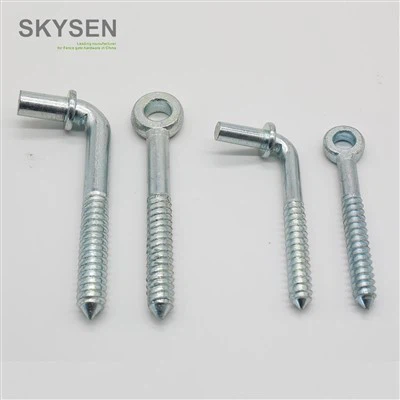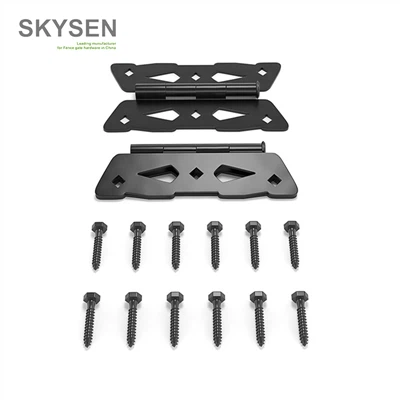
Operating a wood fence latch with a key - lock mechanism might seem like a straightforward task, but there's more to it than meets the eye. As a trusted supplier of wood fence latches, I've had the privilege of witnessing the diverse applications and user experiences of our products. In this blog post, I'll guide you through the process of operating such a latch, from understanding the components to troubleshooting common issues.
Understanding the Key - Lock Mechanism
Before you can operate a wood fence latch with a key - lock mechanism, it's essential to understand its basic components. A typical key - lock wood fence latch consists of a lock cylinder, a bolt, and a strike plate. The lock cylinder is where you insert the key. When you turn the key, it engages with a set of pins inside the cylinder, allowing the lock to either lock or unlock.
The bolt is the part that moves in and out of the strike plate. When the latch is locked, the bolt extends into the strike plate, preventing the gate from opening. When you unlock the latch, the bolt retracts, allowing the gate to swing freely.
Step - by - Step Operation
Inserting the Key
The first step in operating the latch is to insert the key into the lock cylinder. Make sure you're using the correct key. Our Wooden Fence Small Latch comes with a unique key that is specifically designed to fit its lock. Insert the key gently and ensure it goes all the way in. If the key doesn't insert smoothly, don't force it. There might be debris or dirt inside the lock cylinder. You can use a can of compressed air to blow out any particles.
Turning the Key
Once the key is fully inserted, turn it slowly in the direction indicated. Usually, turning the key clockwise locks the latch, while turning it counter - clockwise unlocks it. You'll feel a slight resistance as the pins inside the lock cylinder align. As you turn the key, you'll notice the bolt moving. If you hear a clicking sound, it means the bolt is engaging or disengaging from the strike plate.
Opening and Closing the Gate
After unlocking the latch, you can open the gate by gently pulling or pushing it. When you're ready to close the gate, swing it back into place. Make sure the bolt is aligned with the strike plate. You can then lock the latch by inserting the key and turning it in the appropriate direction.
Maintenance for Smooth Operation
To ensure that your wood fence latch with a key - lock mechanism operates smoothly, regular maintenance is crucial.
Lubrication
Over time, the moving parts of the latch can become dry and start to stick. You can use a silicone - based lubricant to keep the lock cylinder, bolt, and other moving parts well - lubricated. Apply a small amount of lubricant to the key and insert it into the lock cylinder. Turn the key a few times to distribute the lubricant evenly. You can also apply lubricant to the bolt and the strike plate to reduce friction.
Cleaning
Dirt, dust, and debris can accumulate on the latch, affecting its performance. Use a soft brush to clean the lock cylinder, bolt, and strike plate regularly. You can also use a mild soap and water solution to clean the surface of the latch. Make sure to dry the latch thoroughly after cleaning to prevent rust.
Inspection
Periodically inspect the latch for any signs of damage or wear. Check the lock cylinder for any cracks or chips. Examine the bolt to ensure it moves freely and that there are no signs of bending or breakage. If you notice any issues, it's important to address them promptly. Our Gate Latches For Double Wooden Gates are built to last, but regular inspection is still necessary.
Troubleshooting Common Issues
Key Won't Turn
If the key won't turn in the lock cylinder, there could be several reasons. As mentioned earlier, debris or dirt might be blocking the pins inside the lock. Try cleaning the lock cylinder with compressed air or a cleaning solution. If that doesn't work, the lock might be damaged, and you may need to replace it.
Bolt Won't Move
If the bolt won't move when you turn the key, it could be due to a misaligned strike plate. Check to make sure the strike plate is properly aligned with the bolt. If it's misaligned, you can adjust it by loosening the screws and re positioning it. Another possibility is that the bolt is stuck due to rust or lack of lubrication. Apply some lubricant and try to move the bolt manually.
Latch Won't Stay Locked
If the latch won't stay locked, the bolt might not be fully engaging with the strike plate. Check the alignment of the strike plate and the bolt. Make sure the bolt is extending far enough into the strike plate. If the bolt is damaged, it may need to be replaced.


Benefits of Our Wood Fence Latches
As a wood fence latch supplier, we take pride in offering high - quality products. Our latches are made from durable materials that can withstand different weather conditions. Whether you need a Wood Fence Gate Hinges And Latches for a small garden gate or a large double wooden gate, we have the right solution for you.
Our key - lock mechanisms are designed for security and convenience. The keys are unique to each latch, providing an added layer of protection for your property. Additionally, our latches are easy to install, and we provide detailed instructions to ensure a hassle - free installation process.
Contact Us for Purchasing
If you're interested in purchasing our wood fence latches, we're here to assist you. Our team of experts can help you choose the right latch for your specific needs. We offer competitive prices and excellent customer service. Whether you're a homeowner looking to upgrade your fence or a contractor working on a large project, we can provide the quantity you need.
Don't hesitate to reach out to us to start a purchasing discussion. We're committed to providing you with the best wood fence latches on the market.
References
- "Fence Hardware Handbook" - A comprehensive guide on various fence hardware components and their operation.
- "Wood Fence Maintenance Manual" - Offers insights into maintaining wood fences and their associated hardware.